
In the last post, I talked about the weekly routine of visiting the site, documenting progress with photos, and logging everything in the remarks column. That routine isn’t really about preventing problems — it’s about making sure that when something does go wrong, it gets caught immediately instead of weeks later.
No matter how carefully a project is managed, serious problems do happen in manufacturing. This post is about what happens next. This is the stretch I describe, in my own words, as the period when things get genuinely stressful — when every day matters and there’s no room to sit on a decision.
The moment a problem is confirmed
Sometimes it comes up during a routine weekly visit. Sometimes the manufacturer calls first. Either way, there’s a moment where it becomes clear this isn’t a minor delay — it’s something that could actually affect the final delivery date. It might be an equipment defect, a material issue, or an unexpected technical problem.
The first move, always, is to notify the buyer immediately. There’s no version of this where the problem gets hidden, watched quietly for a few days, or handled first and mentioned later. The moment it’s confirmed, the buyer hears about it — as it actually is.
Pausing the project — but usually only part of it
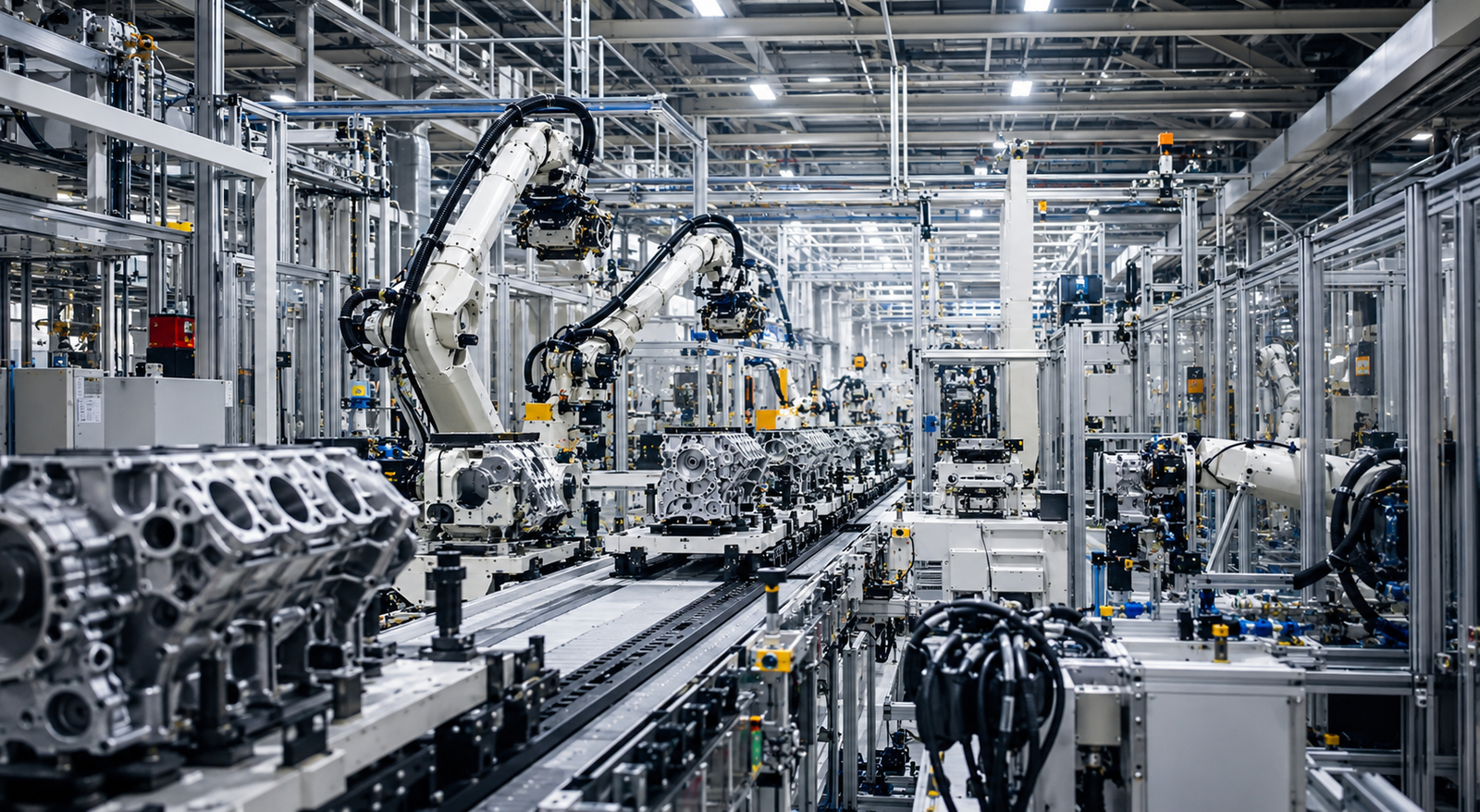
Here’s something worth understanding about how equipment actually gets built. A single piece of equipment is made up of multiple separately-produced components — the piping, the metal fabrication (cutting, welding, and finishing steel structures), the electrical work (including the main control panel that runs the whole system once assembled), and various other parts, some fabricated in-house and some sourced as finished components.
When a problem happens, it’s rare for all of these to fail at once. If everything went wrong simultaneously, the project would essentially be unsalvageable. In practice, a problem usually shows up in just one or two of these components.
So what actually happens isn’t “the whole project stops.” It’s that the specific component or process with the problem gets paused, while everything else keeps moving — and that distinction gets communicated clearly to the buyer.
This actually makes things harder, not easier. Instead of stopping everything to focus on one issue, I have to keep closely monitoring every process that’s still running normally, while putting significantly more attention into the one that isn’t. The workload doesn’t shrink — it multiplies. Managing a partial stoppage while the rest of the project keeps moving is, in practice, more demanding for a PM than a full stop would be.
At this stage, I also discuss with the buyer whether the timeline can be extended. If it can, there’s some breathing room to work with. But more often than not, the buyer’s own constraints mean the delivery date simply can’t move.
When there’s no room to extend
If the timeline can’t move, there’s only one option left: work through it with the Korean manufacturer, staying up through the night if that’s what it takes, to solve the problem within the time that’s left.
This is the part I mean when I say it gets genuinely stressful. The problem process needs focused, intensive attention to get resolved, while every other process that’s still running normally still needs to be checked and confirmed, not left unattended. On top of that, there’s constant back-and-forth with the manufacturer’s team, and constant updates going out to the buyer. Several things have to happen at once, inside a window that isn’t getting any longer.
Keeping the resolution process visible
There’s one principle I hold to throughout this period: document the resolution process with photos and video, and send it to the buyer continuously.
Telling a buyer “we’re working on it” is one thing. Showing them the actual work happening on the floor is something else entirely — the difference in how much trust it builds is significant. For a buyer who can’t be on-site themselves, this documentation is often the only real window they have into what’s actually happening.
Resuming only once there’s real confidence
Once the problem is fixed, the project doesn’t automatically get declared “back on track.” I wait until I’m genuinely confident that the delivery date is achievable, and only then communicate that confidence to the buyer and resume the project.
That order matters. Announcing prematurely that everything is fine, only to run into the same problem again, does real damage to a buyer’s trust — more damage than taking an extra day to be sure would ever cause. A late but accurate update beats an early but wrong one, every time.
Why this matters
This stretch is, honestly, the hardest part of the job. But it’s also where the relationship with a buyer shifts the most. A project that appears to have had zero problems doesn’t build nearly as much trust as one where the buyer watched, in real time, exactly how a problem got handled.
Next in this series: what happens after the equipment is finished — the packaging, the pre-shipment documentation, and getting the container loaded and out the door.
This is part of a series on sourcing and project management in Korea, based on direct experience managing manufacturing and industrial projects across automotive and heavy industry supply chains.
Leave a Reply