You’ve found a Korean supplier online. The website looks professional, the samples look good, and the price is competitive. But here’s the question that keeps international buyers up at night: how do you actually know this company can deliver?
Large automotive OEMs rarely face this problem. A carmaker like Hyundai-Kia or Renault-Nissan already has a pool of qualified suppliers competing against each other worldwide, and any new supplier has to earn its way in — passing a formal audit, achieving at least a “B” grade, before it’s even allowed to bid. Making the shortlist isn’t enough either: a supplier still has to prove its technical and quality competitiveness directly to the customer. Once price is agreed and development begins, the OEM’s own quality audit team travels to Korea to confirm, in person, that everything promised in the bid — equipment, process, quality control — is actually running on the factory floor. That level of scrutiny is exactly why OEM supply chains work: only suppliers who survive it get to stay in.
Outside that world — machinery, equipment, general manufacturing — buyers don’t have that luxury. Even a buyer who flies to Korea and visits a few factories in person often can’t tell, from a single visit, whether a company is technically capable and financially sound. And the uncertainty runs both ways. Korean manufacturers wonder just as much about payment: will the buyer pay on time, and will the terms agreed before production actually be honored. Without that mutual trust, deals that look good on paper simply don’t close — which is exactly why capable Korean SMEs, ones that would happily win an OEM-style audit, stay invisible to buyers who’d genuinely want to work with them.
Having spent 12 years inside Korean automotive OEM supply chains and managing international infrastructure projects across Kazakhstan and Australia, I’ve stood on both sides of this gap — as the manufacturer being audited, and as the project manager running the audit. Verifying a Korean manufacturer isn’t complicated. It just requires checking the right things, in the right order, and having someone on the ground who knows what “right” actually looks like.
Why a Short Factory Visit Alone Isn’t Enough
A polished website, a friendly English-speaking sales contact, even a good impression from a short factory visit — none of it reliably tells you:
- Whether the company is financially stable enough to fulfill a large order without cutting corners
- Whether their day-to-day quality control matches what they demonstrate during a scheduled visit
- Whether the payment structure they’re proposing is standard practice or a red flag
This is where a structured verification process matters — not because Korean suppliers are untrustworthy, but because any supplier, anywhere, deserves proper due diligence before real money moves. And in cross-border deals, that due diligence has to run in both directions: the buyer needs confidence in the supplier, and the supplier needs confidence in the buyer.
The Four Things You Actually Need to Check
1. Financial Due Diligence
Before evaluating a single sample, the first question should be: can this company financially handle your order? With basic company information, a comprehensive management diagnostic report — covering credit standing and overall business health — can be put together well before any factory visit. This is the step that’s easy to skip when a quotation looks attractive, and exactly the step that prevents costly mistakes later.
2. Technical & Quality Verification
Reviewing a supplier’s technical documentation and quality data usually reveals, quickly, whether the underlying capability is real. Combined with an on-site audit — directly reviewing the manufacturing process flow on the actual production line, not just the showroom — it becomes clear how the company manages its process controls day to day, not just when a visitor is watching.
3. On-Site Factory Audit (Even Remotely)
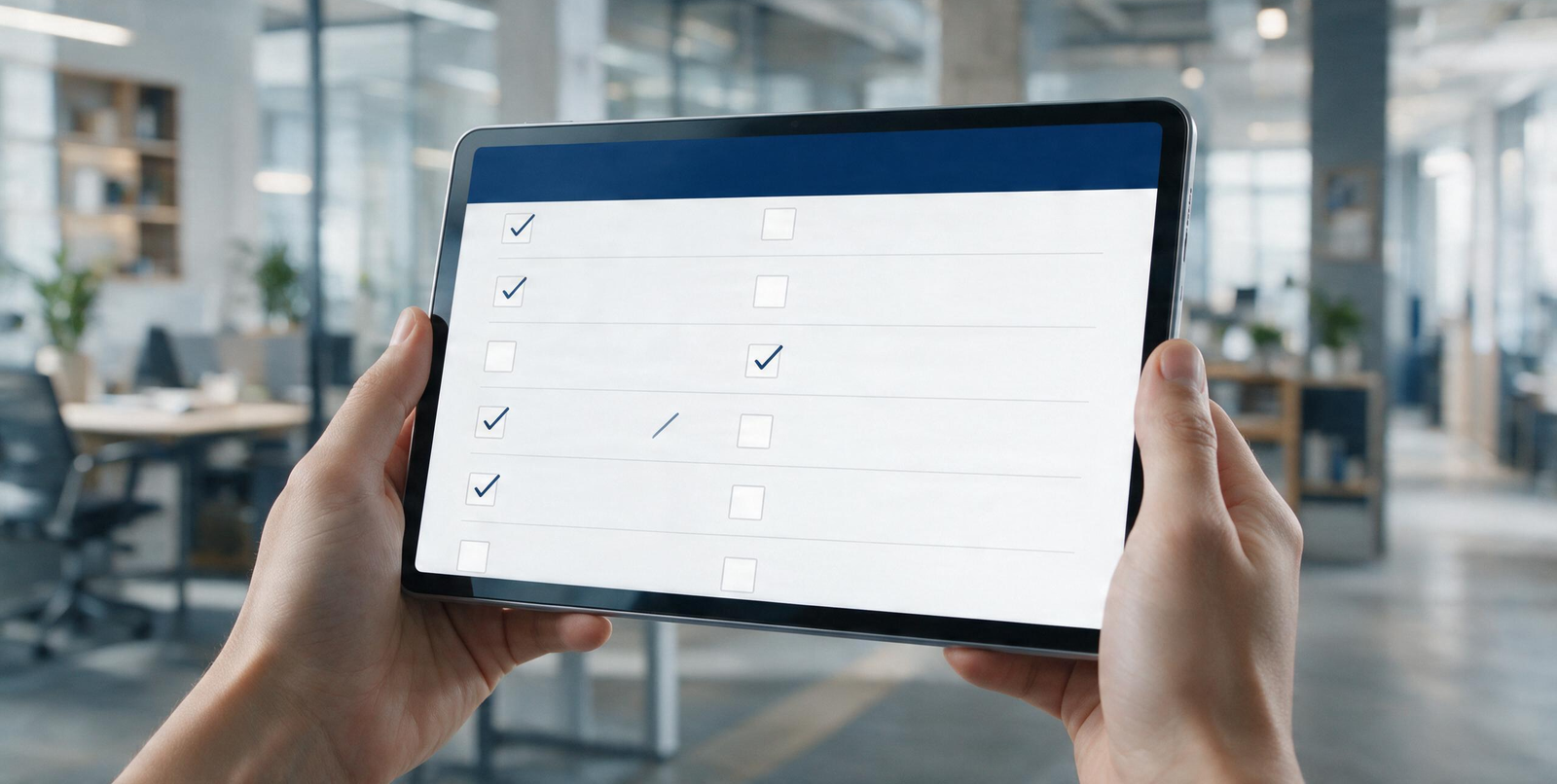
Ideally, someone visits the factory in person to see it firsthand. But when a buyer can’t travel to Korea for every supplier under consideration, the next best thing is a structured audit checklist: process-by-process photos, documentation of how each stage is controlled, and a clear record of any issues found and corrected. Done properly, this gives a buyer nearly the same confidence as standing there in person — without the flight.
4. Getting the Payment Structure Right From the Start
This part rarely gets discussed openly, but it matters as much as any technical check. Most established Korean SMEs will expect somewhere around 50–60% up front once the purchase order and drawings are confirmed — covering raw material costs before production starts — with a further progress payment (commonly around 30%) tied to production milestones, and the balance before the container ships. Terms vary by company, but getting this structure written clearly into the Purchase Order before the project starts prevents almost every payment dispute that happens later.
Putting It Together
None of these steps alone gives you the full picture. A company can be financially sound and still lack the technical capability you need. A factory can look impressive during a visit and still have shaky financials behind it. The value is in checking all of it, in sequence, before commitments are made on either side.
This is precisely the gap I help close for international buyers — financial due diligence (from my background as a Group Financial Consultant), technical and quality verification (12 years inside automotive OEM supply chains), structured factory audits, and payment terms that protect both sides — so a sourcing decision never rests on a single data point.
Have a sourcing challenge? Let’s talk about how I can help.
Leave a Reply