Part of an ongoing series on how Korean sourcing and manufacturing projects actually run. The last post covered a quality crisis on my first engine program with a major automotive alliance and the three weeks I spent resolving it overseas. Handling that crisis quickly and fairly turned out to open the door to a second project almost immediately.
A second bid, built on trust
Once we’d resolved the earlier quality issue in a way the customer could genuinely accept, a second bidding opportunity came our way. We submitted a quote through the normal process, went through technical meetings at the automaker’s overseas headquarters, and after a final round of price negotiation, won the business over several competing suppliers.
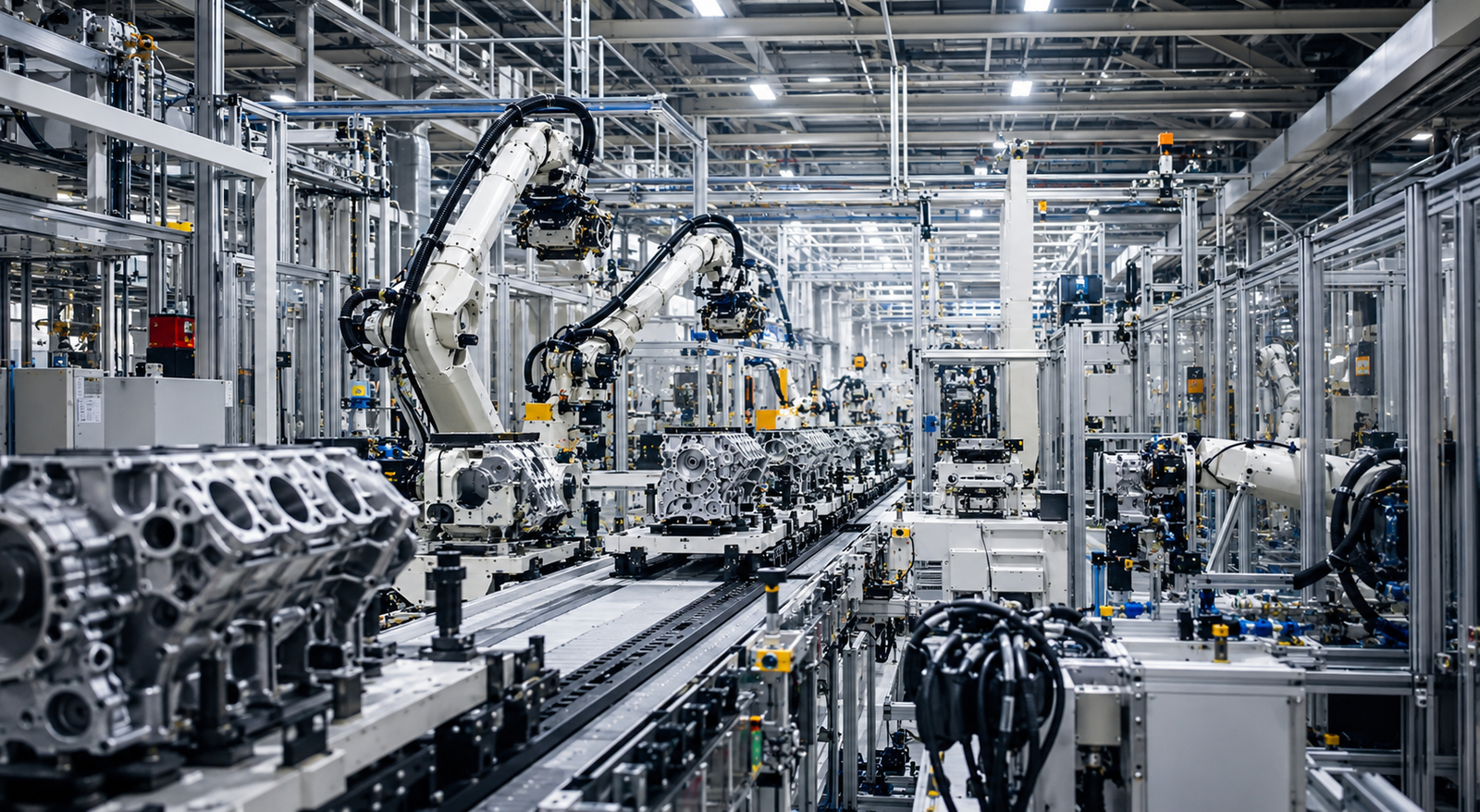
This engine was different from the first — a compact diesel platform used not just by this alliance but across several automakers’ small-car lineups. Volume started in the hundreds of thousands of units annually, with real potential to climb into the millions as adoption spread to additional brands. For our company, this was a major program, and headquarters had high expectations for it too. Unlike the first project, this engine wasn’t assembled at the same plant as before — it was built at a different plant, further south in Europe, which meant our prototype deliveries shifted there as well.
During early prototype development, I was overseas often, and the customer’s team visited our factory just as frequently — checking that our actual production process matched what we’d submitted on paper, and given our recent history with a quality escape, auditing our containment procedures in far more detail than before.
Video calls every other day, for months
Normally, you’d coordinate logistics with a purchasing contact at headquarters and handle technical questions separately with the engineering team. This project ran differently. The customer assigned a dedicated PM, and that person and I handled nearly everything together, from development kickoff onward — an unusual setup.
We worked from a shared requirements sheet and held video calls with each other roughly every other day. I’d send over whatever documentation we owed by email, we’d update the sheet together, and cross off anything that wasn’t realistic or necessary for us to produce. From the start of development through prototype delivery and engine testing, this went on for months — two or three video calls a week, with in-person visits to headquarters whenever needed. I kept our internal teams updated on progress throughout.
Somewhere in the middle of those months, I started half-joking with the PM that once development wrapped and I made it to headquarters, they owed me pizza and beer.
An unexpected dinner invitation
Once development testing wrapped up cleanly and I traveled to headquarters for final wrap-up work, something I hadn’t expected happened. A senior executive personally invited me to dinner, thanking me for the work — it turned out my running joke with the PM had made its way up the chain.
As it happened, our company’s CEO’s son (a director at the time) was also visiting headquarters that day for an unrelated event, but the dinner invitation had only been extended to me. When I mentioned the situation, the executive asked whether he could join too, and after checking with the PM, got the go-ahead. We were treated to a genuinely excellent dinner at a fine restaurant, and at the table, the executive told me directly that the development process couldn’t have been easy, and thanked me for seeing it through.
Hearing that in the moment meant more than I expected — being recognized like that is rare in a supplier-customer relationship. It’s the kind of acknowledgment that can be hard to get even internally, no matter how much you deliver, so hearing it from the customer instead made the whole stretch feel worth it.
Prototypes, and a trip back overseas
Once prototypes shipped to the new plant, the PM asked me to come see the engine assembly in person. The same executive from headquarters said he’d be there too. Our CEO asked that his son (a managing director by then) come along as well, so the two of us flew in, took a train to the plant, stayed overnight, and toured the assembly and testing process the next day. That evening we had dinner with the PM, the executive, and the CEO’s son, talked through a range of things, and flew home with what we needed to wrap things up.
A minor defect, and a solo trip back
Some time later, once things were running smoothly, a defect turned up in a batch of around 1,000 units — nothing close to the severity of the earlier crisis, thankfully. This time I went alone. I met with the plant’s quality manager, reviewed the flagged units, and with their help brought in two sorting staff to work through them together. (Plants like this typically keep a pre-arranged sorting contractor on standby for exactly this kind of situation.)
Sorting turned up around 450 confirmed defective units; the rest were cleared for use. I asked our team to ship the remaining volume by sea rather than air, since this situation wasn’t urgent enough to justify the added cost. I wrapped things up and flew home.
What both projects taught me
Both projects, in their own way, also made clear the limits of working at a small or mid-sized supplier — one person ending up responsible for technical sales, development, quality response, and even production line planning, all at once. But within those limits, the approach stayed the same: face the problem directly, and build the relationship on trust rather than excuses. That’s the principle that’s carried through the rest of my career since.
This is part of an ongoing series on Korean manufacturing and sourcing project management.
Leave a Reply