When international buyers talk about “verifying” a Korean manufacturer, there’s a standard playbook. Hire a certified audit firm in Korea, pay them, and have them visit a specific manufacturer to run a process audit.
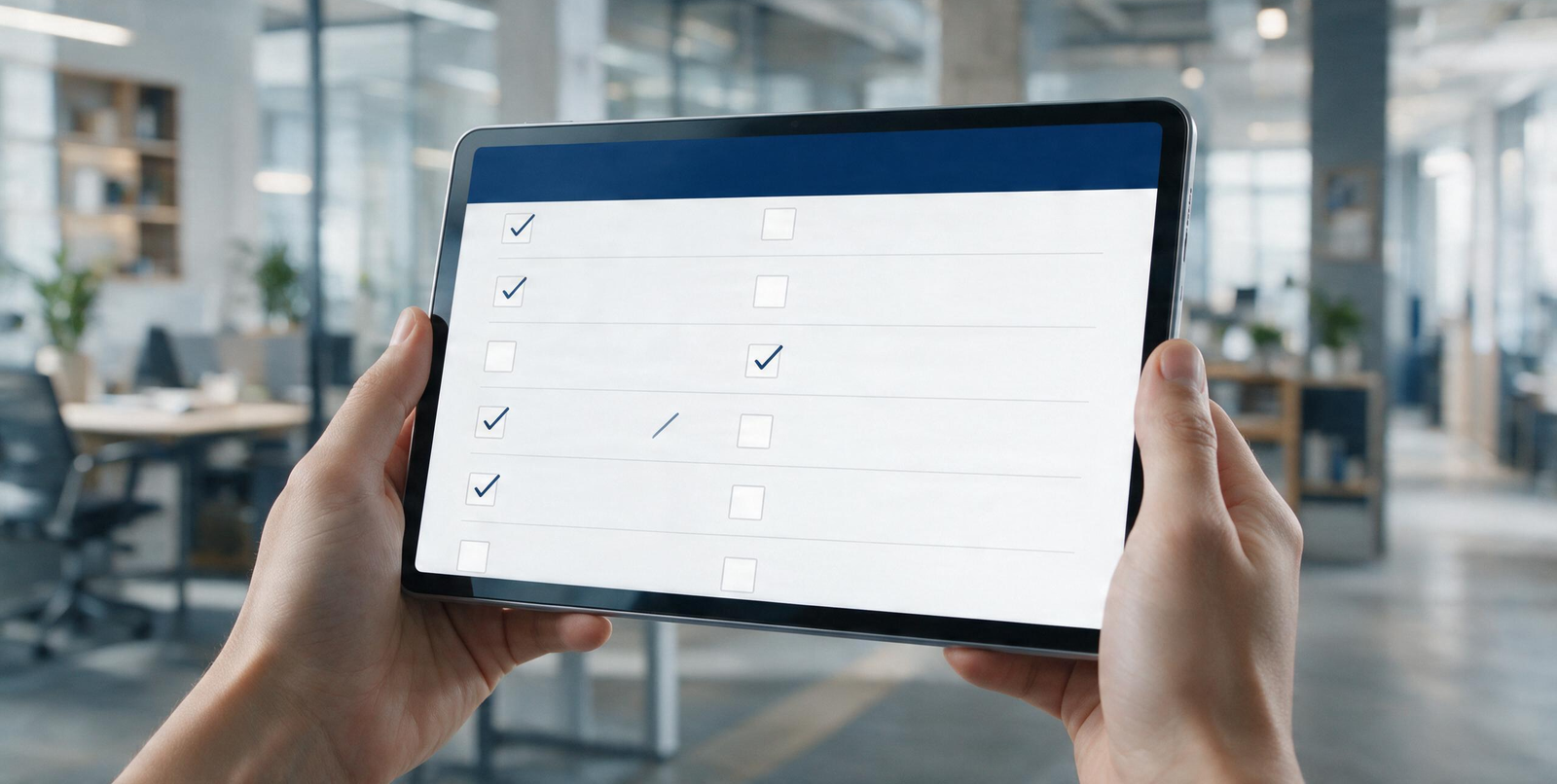
The process usually goes like this: the audit firm notifies the manufacturer of a visit date. The auditor shows up with a carefully prepared Quality Audit Sheet. There’s a company introduction, a cup of coffee, and then the walkthrough begins.
I’ve been on the receiving end of this myself. During the Kazakhmys project in Kazakhstan, I went through process audits on a single day — a piping contractor in the morning, an electrical contractor in the afternoon. Two audits, back to back, in one day. That evening, I remember hosting the auditors for dinner.
Here’s the problem. Going through a detailed audit sheet, item by item, absolutely gives a foreign buyer peace of mind. But the real effectiveness is smaller than it looks. The reason is simple: because the visit date is announced in advance, the manufacturer has every opportunity to prepare so that nothing gets flagged.
That doesn’t make it worthless. A certified audit firm carries credibility, and the report is a convincing document for a buyer. But it isn’t a complete way to evaluate a manufacturer, because an audit is, by nature, an event that can be prepared for.
What actually matters isn’t the one day of the audit — it’s whether, on an ordinary day, this supplier is running production according to the drawings and specifications everyone agreed to.
Limitation #1 — An audit is a prepared event
A scheduled audit, especially one with advance notice, is fundamentally a snapshot — and one the other side knew was coming. Tidiness, paperwork, the flow of the day’s process: all of it can be optimized for that single visit. When an auditor has to cover two suppliers in one day, as I did in Kazakhstan, there isn’t much time to dig deep into either one. No matter how thorough the checklist is, it can’t get past the fact that it’s measuring what was prepared to be shown that day.
Limitation #2 — What an audit misses: the ordinary day
The real question isn’t “how does the process look on audit day” — it’s “on the 361 other days, is this supplier actually producing to the confirmed drawings and specs?” A single scheduled visit can never answer that. What does is showing up unannounced, or simply visiting often enough that it stops being an “audit” and becomes routine — seeing the process as it actually runs. This is exactly what I do during active projects: regular site visits, not scheduled inspections.
Limitation #3 — What an audit misses: financial condition
There’s one more thing no audit sheet will ever capture — whether this company will still be standing eight months from now, when your production run is scheduled to finish.
I spent over a decade inside automotive OEM supply chains — Hyundai-Kia, Renault-Nissan — and managed joint venture projects with global mining companies like BHP and Rio Tinto across Kazakhstan and Australia. In that world, a supplier’s cash position matters as much as its equipment list. A factory that looked flawless during a visit can be three months behind on payments to its own raw material suppliers. Brand-new machinery can be sitting on debt the company can’t actually service. A director might be running two companies and quietly draining one to keep the other afloat.
None of that shows up on an audit sheet. None of it shows up on a factory walkthrough either.
What financial due diligence actually catches
This is where my background differs from most sourcing agents and audit firms you’ll find. Before I moved into project management and technical verification, I spent years on the financial consulting side, reviewing corporate financials, tax structures, and ownership issues for Korean business owners. That background changes what I look for when I evaluate a supplier.
A basic financial check on a Korean manufacturer looks at things like:
Corporate registration and ownership structure. Who actually owns this company? Has ownership changed recently? Is there a pattern of related companies that suggests risk is being shuffled around rather than resolved?
Payment history and credit signals. Is the company current with its own suppliers and with tax authorities? Late payments upstream are usually the first sign of trouble — and they show up in the financial record long before they show up on the factory floor.
Revenue concentration. Is this company dependent on one or two buyers for most of its revenue? If your order is a small fraction of their business, that’s a very different risk profile than if you represent 60% of their output and they can’t afford to lose you.
Debt load relative to fixed assets. New equipment funded by heavy short-term debt is a different situation than the same equipment paid for in cash. Both factories look identical during a visit.
Basic solvency indicators. Is this a steadily operating company, or one quietly restructuring, changing bank relationships, or delaying supplier payments to stay afloat?
None of this requires access to confidential internal accounting. Much of it is available through standard corporate and credit information channels in Korea, cross-referenced against what the company tells you directly.
Why buyers usually skip this part
Most PM and sourcing services aren’t built to do it. They’re staffed by people with manufacturing, quality, or logistics backgrounds — exactly what you want for the factory side. But financial review is a different skill set entirely, so it’s rarely included and rarely done. Buyers either skip it, or assume the factory audit already “covers” it. It doesn’t.
The combination that actually protects a project
In twenty years of B2B work overseas, the projects I’ve seen go wrong rarely went wrong because a factory couldn’t run its machines. They went wrong because a supplier’s financial position collapsed mid-project, and nobody had looked closely enough, early enough, to see it coming.
A scheduled factory audit shows you that a supplier can produce on the day they prepared for. Regular, unannounced visits show you whether they actually produce that way every day. And financial due diligence shows you whether they’ll still be standing to deliver on the date you agreed to.
Buyers who want a real answer to “can I trust this supplier” need all three — done by someone who understands what each one is actually looking for. A pre-scheduled audit report by itself isn’t enough.
This is part of a series on sourcing and project management in Korea, based on direct experience managing manufacturing and industrial projects across automotive and heavy industry supply chains. Next: the specific red flags I look for when evaluating a new Korean supplier.