Not every project has a dramatic crisis. But no crisis doesn’t mean there’s no story.
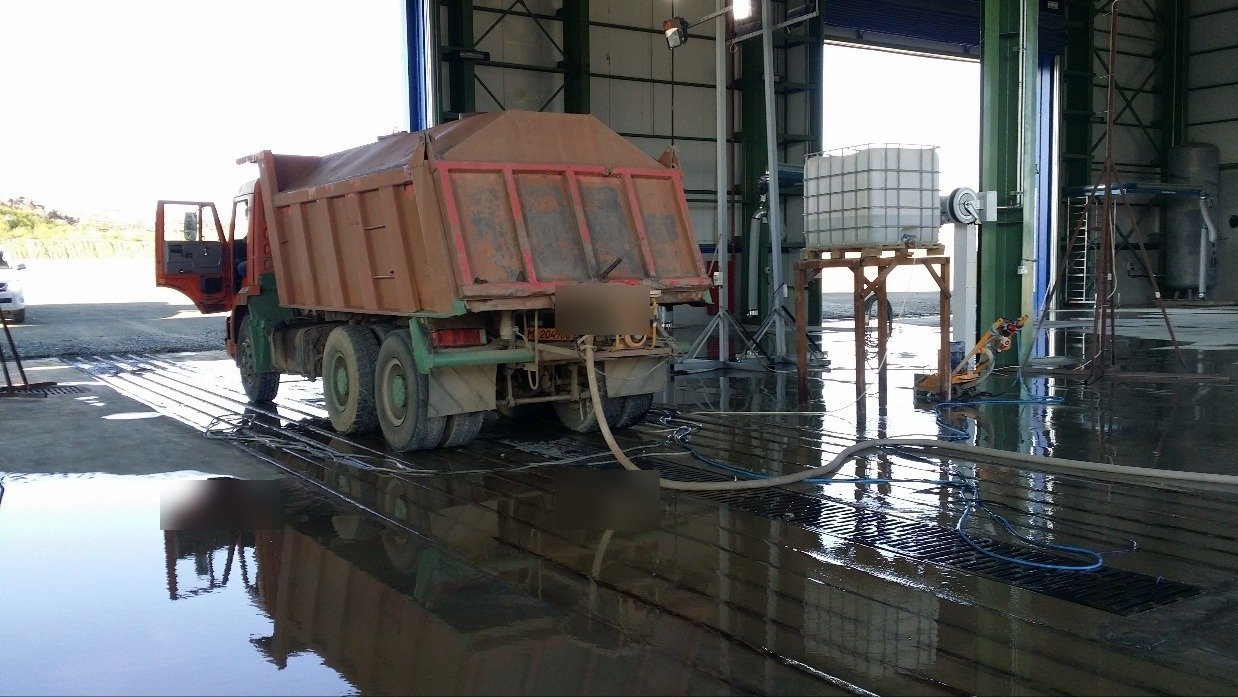
The Bozshakol project — the truck wash system I built for a copper mine in Kazakhstan — was chaotic from start to finish. Drawings arrived late, the timeline was tight, and I was solving problems on the spot at every stage. If you’ve read that story, you know how it ended: the audit passed, the system worked, and the client was satisfied.
There’s a part of the story I haven’t told yet. It happened about eight months later.
A Direct Request, No Introduction Needed
The first project came to me through an Australian partner company who had served as the client’s point of contact at the time. Somewhere along the way, that partner became unreachable. KazMinerals tracked down my own contact details — I had led the first project — and emailed me directly, asking whether I could install a similar washing system at their Aktogay site.
It wasn’t a referral, and it wasn’t a new RFQ sent out to a shortlist of vendors. A client who had already tested the relationship once came back on their own. I told them I’d review the project and get back to them.
The Site Had to Be Checked Again
The equipment itself was similar to Bozshakol, but the site was different. This wasn’t something I could confirm from paperwork alone — the drawings and the actual installation location needed to be checked in person, so I traveled to Kazakhstan with our design engineer.
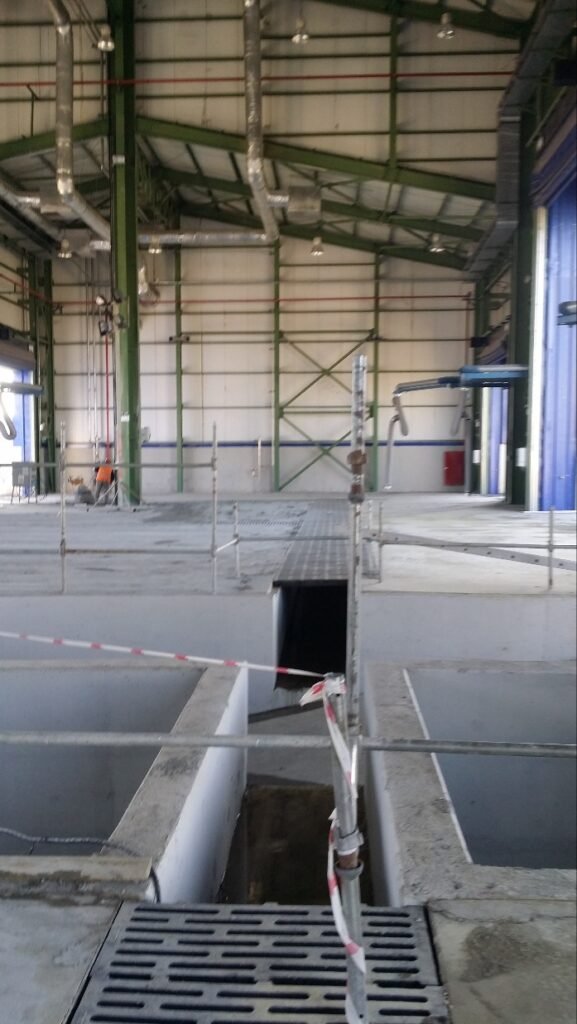
I stayed on site to coordinate the overall schedule while our design engineer and a KazMinerals engineer went out to the installation site to compare the drawings against the actual conditions, point by point. A different terrain can mean a pipe route or an installation height that no longer matches the drawing — this was not a step we could skip.
While waiting for their findings, I got a call from our design lead: the drawings, fortunately, only needed minor adjustments. Given how small the changes were, I told the local purchasing contact we’d handle the drawing revisions at no extra charge. The equipment and piping, though, needed some changes, so I asked for their understanding — I’d need to go back to Korea and requote with our subcontractors.
Back in Korea, Requoting the Project
Back in Korea, I met with our subcontractors one by one to work through the numbers. I didn’t add a design fee, but documentation and testing costs had to be reflected. Once those were built into the final quote, we negotiated the terms and the project was confirmed.
This Time, the Challenge Was Time
The client had one main request: pull the schedule in, noticeably shorter than the first project. Having done this once before made it possible to agree to it. Actually hitting that schedule was a different matter entirely.
With less room for error, a single subcontractor slipping on their timeline could have thrown off the whole schedule. So I ended up checking in with our subcontractors more often than I had on the first project — tracking material deliveries and machining schedules day by day to make sure nothing slipped. There was no single dramatic event this time. Instead, there was a lot more attention paid to the details, every single day.
When we made it through packaging and shipment without a single delay, it was genuinely satisfying. And not long after, I got an email from the client thanking me for pulling the schedule in and delivering without issues — a message I still remember well.
Why This Is the Story
It’s tempting to think a case study needs a crisis to be worth reading. But for a buyer evaluating a sourcing partner, a story like this one can be more convincing than a rescue story. The client came back without hesitation because the first project had been done right — and this time, I had to prove the same result was possible under harder conditions: a much tighter schedule.
This is what a sourcing relationship should look like once the hard part is over. Not a dramatic rescue, but the ability to deliver the same result under slightly harder conditions, again and again. Aktogay was a test of whether that trust was real — and it was.